Include the property name, street address, building number, affected unit or common area, and the roof area above it when known. For a garden-style community or multi-building property, label each concern separately instead of describing the site as one roof. Avoid placing resident names, phone numbers, medical details, or other unnecessary personal information in the public request.
Document the leak and its operational impact
Report where and when water was observed, whether it is active or recurring, which units or common areas are affected, and any earlier repair information. Interior symptoms help organize the request but do not establish the roof-level source because water can move within a building assembly. Record safe observations without choosing the repair in advance.
Plan access around an occupied community
Identify the property-management contact, roof-access procedure, affected occupied areas, resident-notice process, secured spaces, parking or staging limits, and operating restrictions. Explain whether interior access must be coordinated and who will be present. These details support planning; submitting the form does not reserve a visit or establish a response time.
Keep each building's roof records separate
Share the roof system if known, installation or warranty records, previous inspections, repair scopes, photos, and rooftop equipment history for the affected building. Mark missing information as unknown rather than copying another building's record. Separate records help property teams distinguish an observed concern, assessment finding, recommended repair, approved scope, and completed work.
Define the inspection and authorization process
Identify who receives findings, who can approve a visit, and who can authorize repairs or a larger project. Describe any required photos, written reports, vendor forms, purchase-order steps, or owner approvals before the scope is agreed. An initial request does not authorize work, create a recurring maintenance agreement, or promise that every finding will be addressed in one visit.
Separate immediate repairs from portfolio planning
An active leak, recurring repair, inspection, preventive maintenance plan, coating evaluation, and capital project are different decisions. Begin with the immediate property concern, then identify other buildings or longer-term goals. The Service Group reviews the location, available information, scope, and availability for the specific properties before confirming a next step.
Prepare for weather events and interior moisture
After severe weather, document the event, affected buildings, interior water, visible changes, temporary measures, and available pre-event records from safe locations. Follow the property's emergency procedures for immediate hazards; this website is not an emergency response channel. Roof assessment and building moisture concerns may require different qualified parties and should not be treated as the same determination.
Request multifamily roofing service in an initial market
The Service Group currently reviews multifamily and apartment roofing requests in Memphis, Nashville, and Little Rock. Provide the exact property and building information, observed concern, access requirements, available records, and approving contact. For a portfolio request, list each address and highest-priority concern separately so coverage and scope can be reviewed.
INSPECTION PORTFOLIO · RALEIGH, MEMPHIS
Apartment Roof Inspection — Raleigh, Memphis
Inspection experience from TSG’s founder.
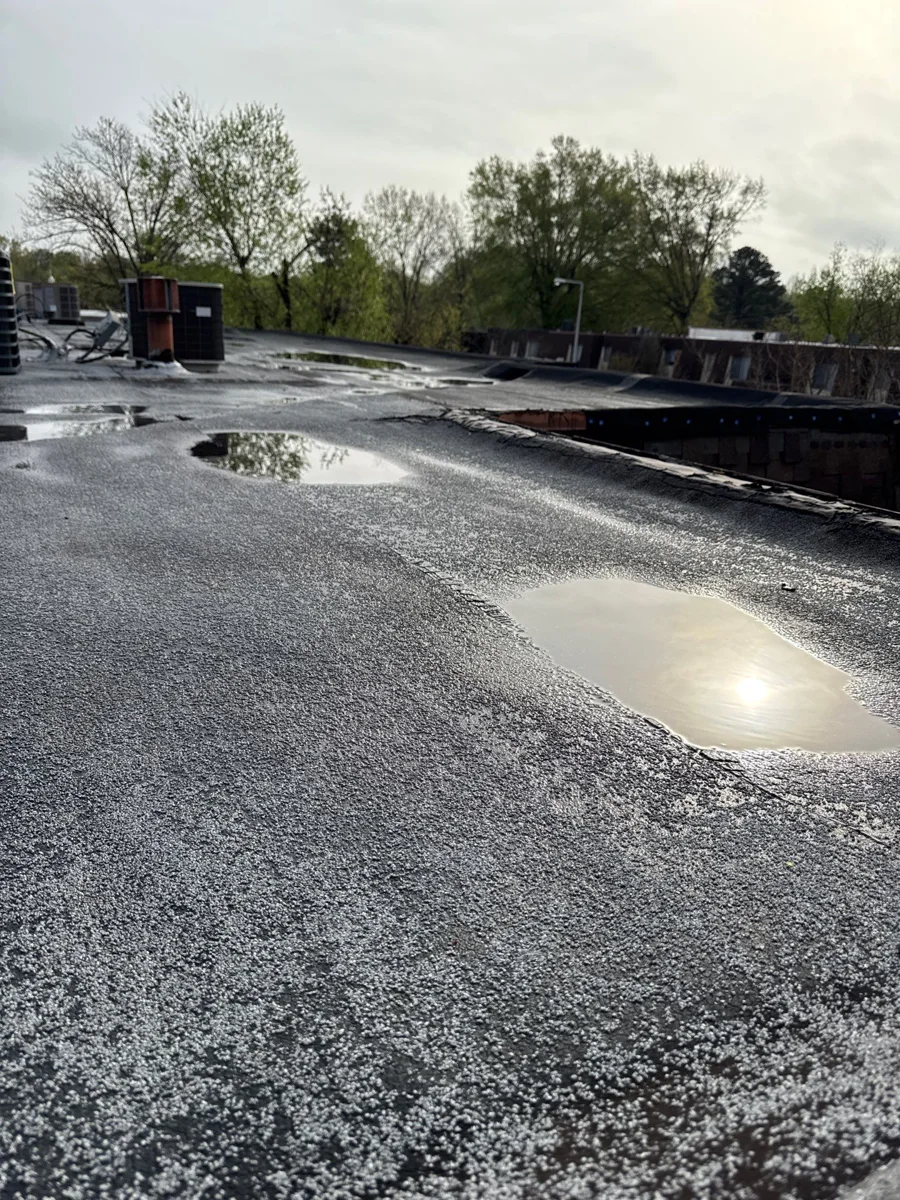
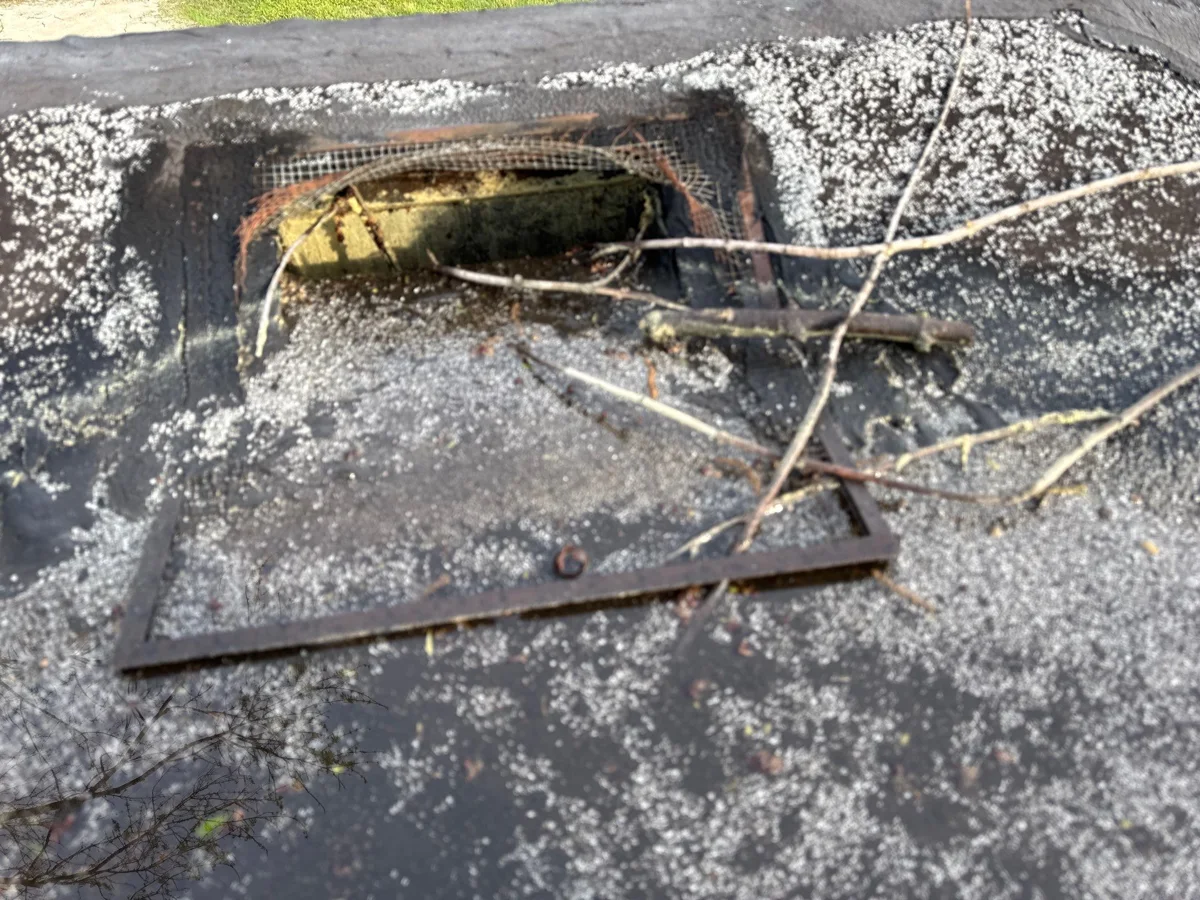
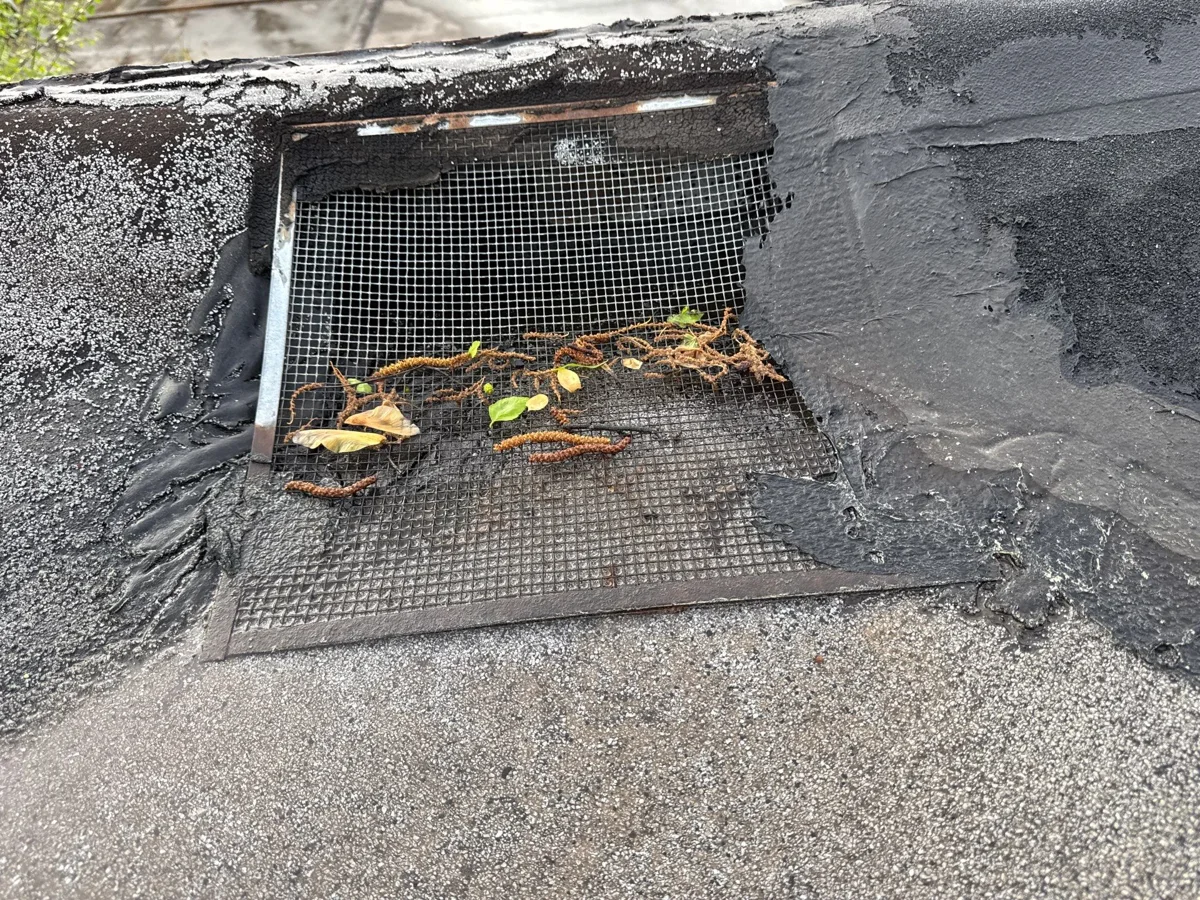
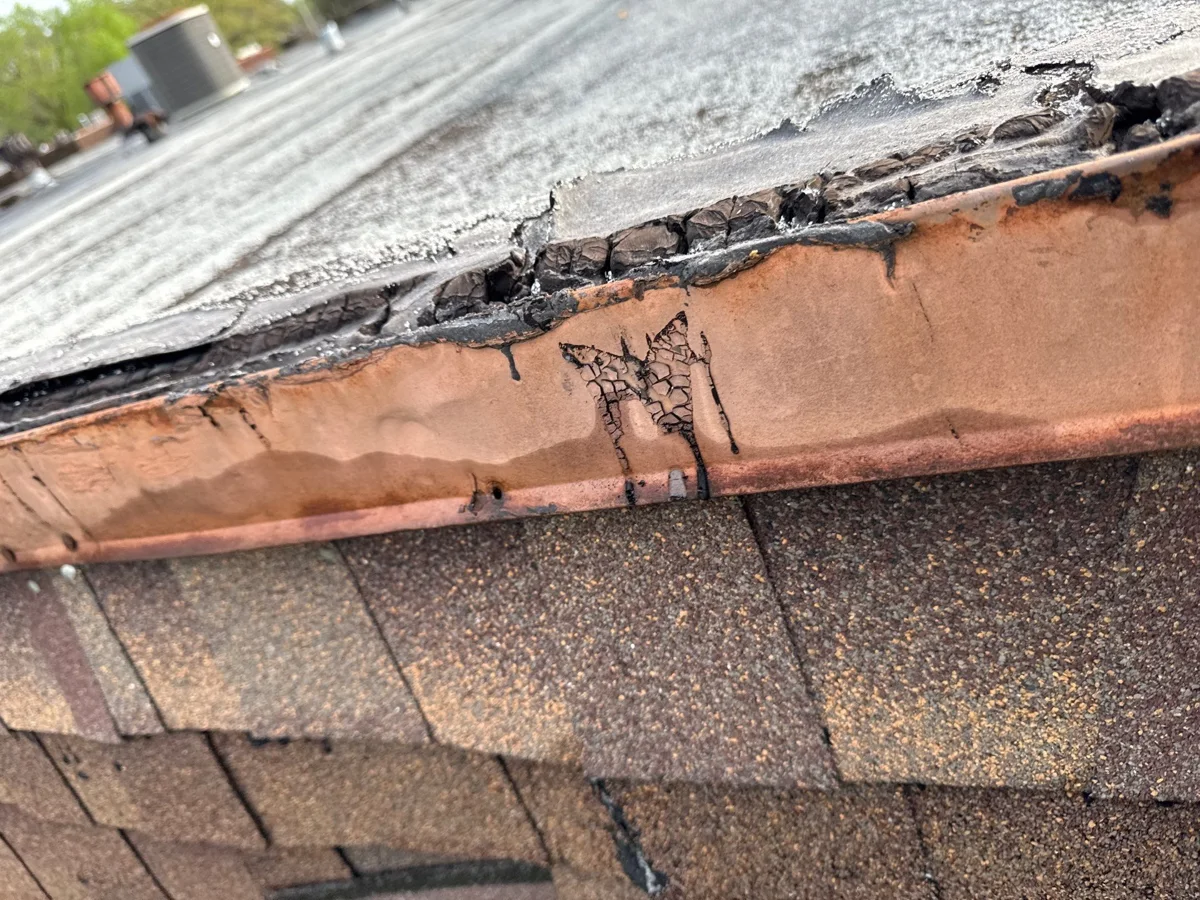
These photographs from an apartment community in Raleigh document conditions to review before defining maintenance and repair priorities. The property remains anonymous.
Standing water visible across portions of the apartment roof surface.Debris visible at a roof drainage opening.Leaves and debris collected around a screened drainage opening.Close view of weathered roof-edge materials and previous patching.
What the photographs show
Standing water on the surface. A photograph alone does not establish how long it remained after rainfall.
Debris at drainage openings and around a screen. Drainage condition and the discharge path warrant an on-site review.
Weathered materials and previous patching at the perimeter. These details need a closer assessment to define a repair scope.
Turning observations into priorities
For an occupied community, the next step is to tie each finding to its building and roof location, review reported leaks, and coordinate access with management. An assessment can separate maintenance needs, localized repairs, and conditions requiring further investigation.
This example documents inspection observations; it does not present completed repairs, confirmed leak causes, or calculated savings.
Managing a property with similar concerns?
Share the location, affected buildings, known leaks, and access arrangements. We’ll review the request to discuss scope and availability.
Yes. Include the best contact and identify anyone else who must approve a visit or work. No customer account is required for the initial request.
Can I request service for several apartment buildings?
Yes. Identify every address and building separately, including the concern, known roof system, access contact, and priority. Coverage and scope are reviewed for the specific properties.
Can I submit a request without knowing the roof type?
Yes. Describe the property and observed problem, and mark the system as unknown. Available records or an appropriate assessment can help determine what information is needed.
Should I include resident information in the request?
Include the affected unit or area and the property contact, but avoid unnecessary resident personal information. The team can coordinate appropriate contact and access details separately when the request is reviewed.
Does a recurring leak mean the roof must be replaced?
Not by itself. The source, roof condition, repair history, concealed conditions, and appropriate scope require review before repair, restoration, or replacement is discussed.
What should staff do if water is actively entering a unit?
Follow the property's safety, maintenance, and emergency procedures for occupants, electrical concerns, damaged ceilings, and contents. You may submit the service information, but the website does not provide emergency dispatch or confirm a response time.